


Outline
中央大学には、産学官による学際的共同研究を通じて現代社会における喫緊の課題を解決できる知を生み出し,それを社会に還元する拠点「研究開発機構」があります。研究開発機構では、学外資金をもとに「研究ユニット」が設置され、研究者は各ユニットで研究テーマに沿って研究を行います。
石川仁憲研究開発機構機構教授がユニット責任者を務める「ウォーターセイフティ研究ユニット」では、海でのレジャーやプールにおける事故を防ぐことを目的に、AIなどの最先端テクノロジーの研究開発を進めています。
その成果の一つが「海辺のみまもりシステム」です。このシステムは、海水浴場での水難事故を防ぐため、海岸に設置されたカメラが海を撮影し、その画像をAIがリアルタイムに解析します。神奈川県由比ガ浜へのシステム導入やアップデートについては、鎌倉市と地元のライフガードの協力が欠かせませんでした。
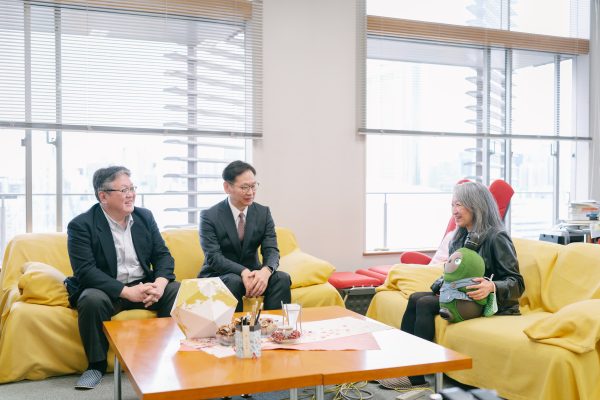
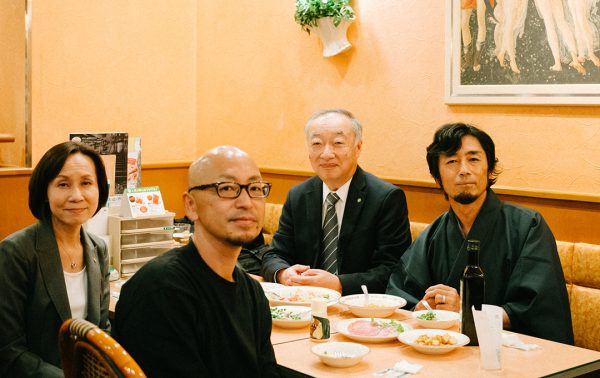
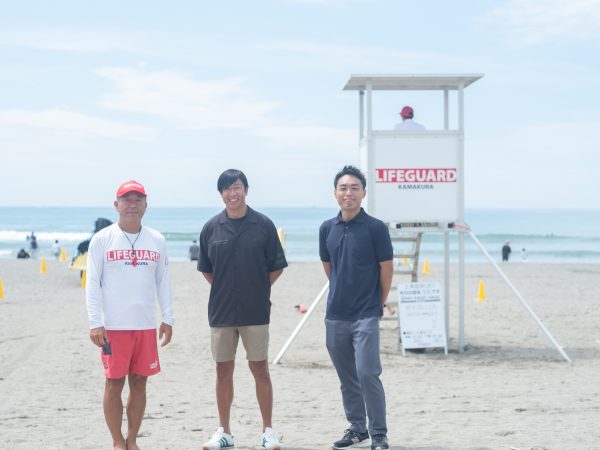
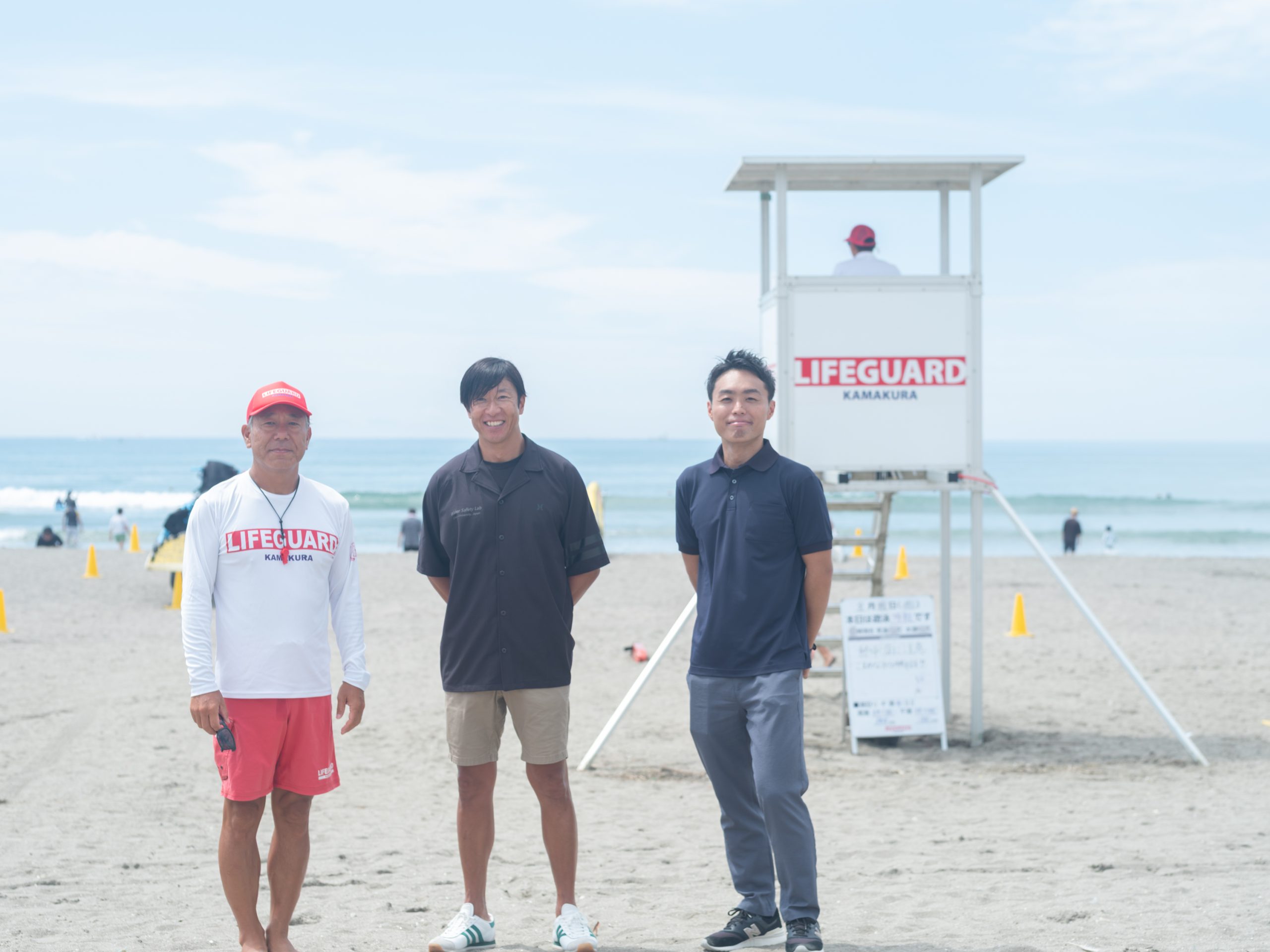
実際に由比ガ浜におもむき、海辺のみまもりシステムの仕組みや導入の経緯、AIによって海の安全はどう変わるのか、石川機構教授と鎌倉市観光課の大野博輝氏、鎌倉ライフガード代表の菊地一郎氏にお話を伺いました。
Chuo University is home to the Research and Development Initiative that serves as a hub for producing knowledge capable of resolving pressing issues in modern society through interdisciplinary collaborative research involving industry, academia, and government, and feeding that knowledge back to society. At the Research and Development Initiative, “Research Units” are established using external funds, and researchers conduct research according to research themes in each unit.
The “Water Safety Research Unit,” headed by Research and Development Initiative Institute Professor Toshinori Ishikawa, conducts research and development on AI and other cutting-edge technologies aimed at preventing accidents at unpatrolled beaches, bathing beaches and swimming pools.
One of the results of these efforts is the “AI-based Coastal Monitoring System”. This system prevents seaside drowning accidents by having cameras installed along the coast capture footage of the ocean, which is then analyzed in real time by AI. The introduction and updating of the system at Yuigahama Beach in Kanagawa Prefecture were made possible through the indispensable cooperation of Kamakura City and local lifeguards.
We actually went to Yuigahama to talk to Research and Development Initiative Institute Professor Toshinori Ishikawa, Hiroki Ohno of the Kamakura City Tourist Association, and Kamakura lifeguard representative Ichiro Kikuchi about the mechanism of the AI-based Coastal Monitoring System, the background to its introduction, and how the safety of the sea will be changed by AI.
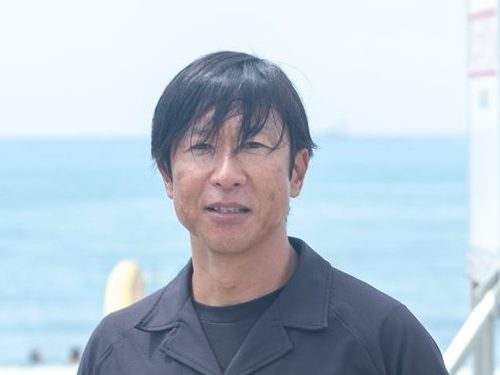
石川 仁憲
中央大学研究開発機構 機構教授
1973年生まれ。東海大学大学院海洋学研究科海洋工学専攻修了。博士(工学)、技術士(建設部門:河川、砂防及び海岸・海洋)。パシフィックコンサルタンツ株式会社、海岸研究室(有)、一般財団法人土木研究センター、中央大学理工学部兼任講師を経て、2019年より現職。専門は海岸工学、水難事故防止技術。
Toshinori Ishikawa
Institute Professor, Research and Development Initiative, Chuo University
Born in 1973. Completed the Graduate School of Oceanography, Tokai University, specializing in Ocean Engineering. Doctor of Engineering, Professional Engineer (Construction Division: Rivers, Erosion Control, and Coastal/Ocean Engineering). After positions at Pacific Consultants Co., Ltd., Coastal Engineering Laboratory (LLC), the Civil Engineering Research Center Foundation, and as an adjunct lecturer at Chuo University’s Faculty of Science and Engineering, assumed current position in 2019. Specializes in coastal engineering and water accident prevention technology.
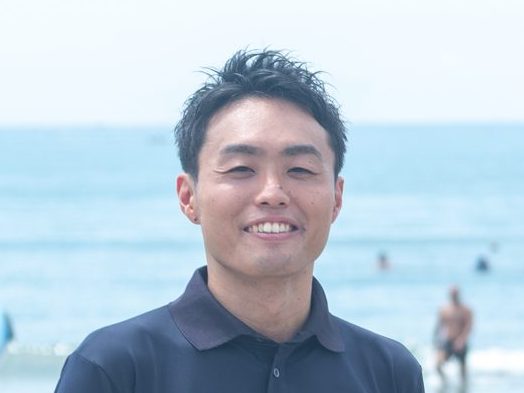
大野 博輝
鎌倉市 市民防災部 観光課
Hiroki Ohno
Kamakura City, Citizen Disaster Prevention Department, Tourism Division
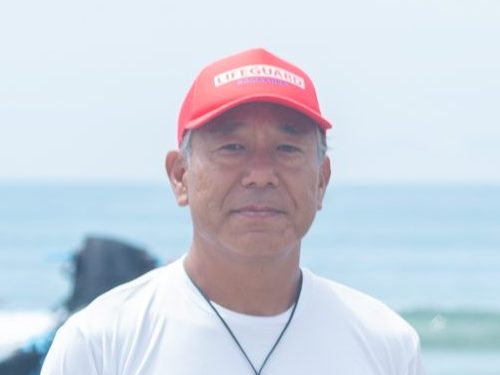
菊地 一郎
鎌倉ライフガード 代表
Ichiro Kikuchi
Representative, Kamakura Lifeguard
沖に流される危険な「離岸流」や要救助者をAIが検知
AI detects dangerous “rip currents flowing seaward from the shore” and people in need of rescue
―― 海辺のみまもりシステムとはどのようなシステムなのでしょうか?
— First, from T. Hasegawa’s point of view, what is the significance of conducting joint research with universities and other companies?
石川機構教授(以下、敬称略):海岸に設置されたカメラの画像をAIがリアルタイムに解析し、海水浴場の利用者に危険を知らせたり、ライフガードに要救助者を自動で通知したりするシステムです。2025年までに全国6ヶ所の海岸で運用されています。
Institute Professor Ishikawa (hereinafter referred to without honorifics): This system uses AI to analyze images from cameras installed along the coast in real time, alerts beachgoers to dangers and automatically notifies lifeguards of people in need of rescue. By 2025, the system had been in operation at six beaches nationwide.
海のレジャーなどでの海浜事故は毎年1,000件ほど起きており、遊泳中の死者・行方不明者は毎年100人を超えています。遊泳中に溺れる理由のうち約半分が離岸流です。離岸流とは、海岸の波打ち際から沖に向かう流れのことです。利用者が離岸流を目で判断することは難しく、気づかないうちに離岸流によって沖に流されてしまう危険があります。離岸流事故は世界的にも海浜事故の主要因です。
About 1,000 beach accidents occur every year, with more than 100 people dying or going missing while swimming. About half of the reasons for drowning during swimming are rip currents. A rip current is a strong current that flows away from the shoreline out toward the open sea. It is difficult for beachgoers to visually identify rip currents, and this presents the risk of being swept out to sea by a rip current without realizing the danger. Rip current accidents are a major cause of beach accidents worldwide.
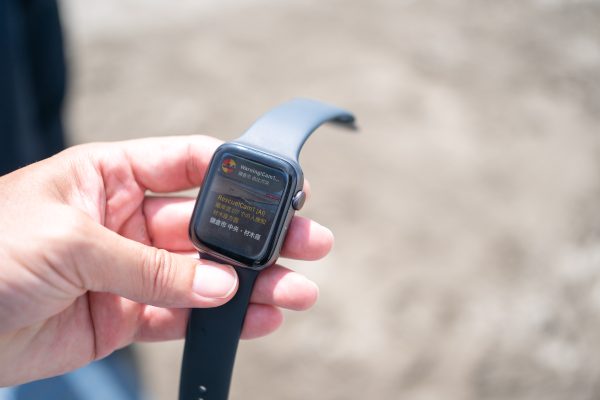
海辺のみまもりシステムでは、離岸流が発生したとAIが判断したら海岸利用者のスマートフォンに通知します。また、要救助者がいる場合にはライフガードのスマートウォッチに通知し、早期の救助救命活動を支援します。こうしたシステムを構築することで、多くの人が安心して海のレジャーを楽しめる環境を整えています。
The AI-based Coastal Monitoring System sends notifications to beachgoers’ smartphones when the AI detects a rip current. Additionally, when a person in need of rescue is detected, it notifies the lifeguard’s smartwatch to support prompt rescue and lifesaving efforts. By establishing this kind of system, we are creating an environment where everyone can enjoy beach activities with peace of mind.
—— 具体的にはどのようなシステムになっているのですか?
——What kind of system is it?
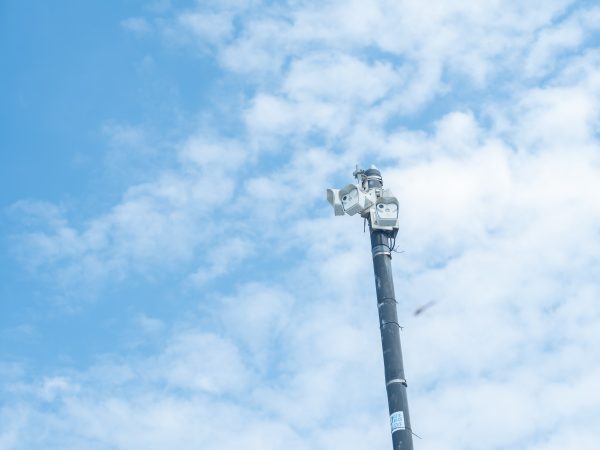
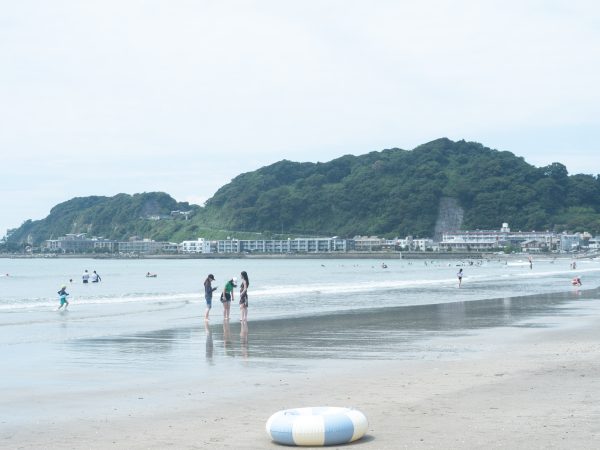
石川:由比ガ浜には公衆トイレに3台のウェブカメラが設置されており、撮影した画像を中央大学のサーバーに送り、そこでAIが離岸流の有無を1秒に1回の頻度でリアルタイムに解析します。海岸の利用者がスマートフォン専用アプリ「Water Safety」をダウンロードしていると、離岸流が発生したことが通知され、どこで離岸流が発生しているのかアプリの画面で見ることができます。
Ishikawa: Three webcams installed at public restrooms in Yuigahama send captured images to a server at Chuo University, where AI analyzes them in real time at a frequency of once per second to detect the presence of rip currents. Beachgoers who download the smartphone app “Water Safety” will receive notifications when rip currents occur and can see on the app’s screen where the rip currents are forming.
由比ガ浜では、監視所に置かれているモニターに離岸流が起きている具体的なエリアが枠で表示されます。2024年からは、AR機能を使って利用者が持っているスマートフォンの画面越しに離岸流の発生エリアを確認できます。自分のいるところからどの方角で離岸流が起きているのか、よりわかりやすくなりました。
At Yuigahama Beach, the specific areas where rip currents are occurring are displayed with a frame on the monitors at the lifeguard station. Starting in 2025, beachgoers have been able to identify rip current areas visualized by the “Water Safety Eye” web app using the AR functionality on their smartphone screens.Now it’s easier to tell in which direction a rip current is forming from your location.
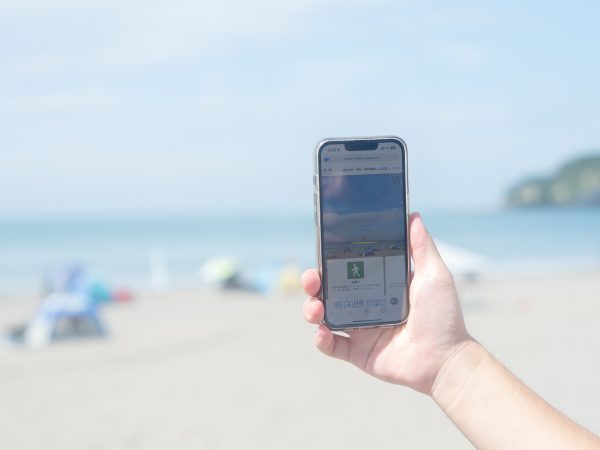
また、沖に流された人など要救助者がいるとAIが判断した場合には、ライフガードのスマートウォッチに通知が届き、いち早く救助活動に移ることができます。
Additionally, when the AI determines that there are people in need of rescue, such as those swept out to sea, a notification is sent to the lifeguard’s smartwatch, enabling him to swiftly initiate rescue operations.
由比ガ浜には海辺のみまもりシステムが2022年に導入され、導入までの2014年〜2019年と比べて2025年の離岸流事故数は34%に減少しました(利用者数による調整後)。隣接する中央・材木座海岸では、導入された2022年移行、離岸流事故は起きていません。
The AI-based Coastal Monitoring System was introduced at Yuigahama in 2022 and, compared to the period from 2014 to 2019 before its introduction, the number of rip current accidents in 2025 dropped to 34% (adjusted for the number of beachgoers). At the adjacent Chuo and Zaimokuza Beaches, there have been no rip current accidents since the system was introduced in 2022.
社会実装で重要なのは科学センスよりも現場センス
What matters most in social implementation is on-the-ground intuition, not only scientific insight.
——石川先生が海辺のみまもりシステムを開発しようとしたきっかけを教えてください。
——Please tell me what prompted you to develop the AI-based Coastal Monitoring System, Professor Ishikawa.
石川:東海大学大学院で海洋工学を専攻していて、ライフガードのバックボーンもあったので、離岸流の危険性をずっと認識していました。2014年に中央大学理工学部の兼任講師として着任した後、2018年に総務省の「IoTサービス創出支援事業」に選定され、当時は中央大学・コニカミノルタジャパン・日本ライフセービング協会・千葉県御宿町と共同開発としてAIベースの離岸流検出の開発を始めました。
Ishikawa: I majored in marine engineering at Tokai University Graduate School, and with my background as a lifeguard, I was always aware of the dangers of rip currents. After joining Chuo University’s Faculty of Science and Engineering as a part-time lecturer in 2014, I was selected for the Ministry of Internal Affairs and Communications’ “Project to Support IoT Service Creation” in 2018. At that time, I began developing an AI-based rip current detection system as a joint project with Chuo University, Konica Minolta Japan, the Japan Lifesaving Association, and Onjuku Town, Chiba Prefecture.
2019年からは日本ライフセービング協会の日本財団助成事業として、海辺のみまもりシステムの開発・展開を始めたという経緯です。
Starting in 2019, as a grant program funded by The Nippon Foundation, the Japan Lifesaving Association began deploying an AI-based Coastal Monitoring System.
——鎌倉市との連携はどのようにして始まったのですか。
——How did the collaboration with Kamakura City begin?
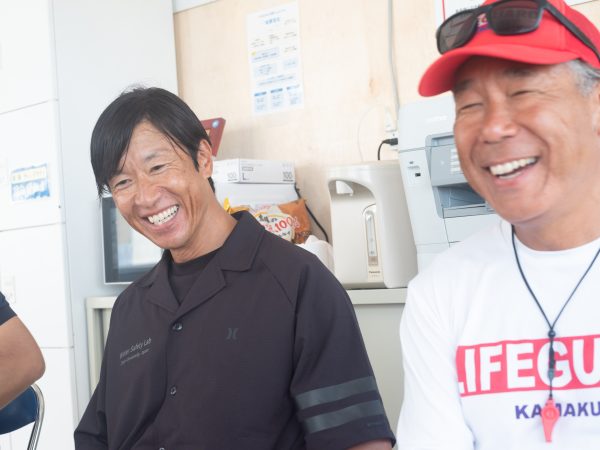
石川:以前から私と菊地さんは知り合いで、2020年ごろにAIをライフガード業務に何か活用できないかと協議していた中で、菊地さんから鎌倉市に提案したのが始まりですね。
Ishikawa: Kikuchi and I have known each other for some time and, around 2020, while discussing how AI might be utilized for lifeguard duties, Kikuchi proposed the idea to Kamakura City, and that’s how it all began.
菊地:私は先端技術に疎く、ライフガードの業務もアナログな感覚で動くことが多いのですが、こういう先端技術を導入することは必要であると認識しています。
Kikuchi: I’m not very familiar with cutting-edge technology, and lifeguard duties often rely on analog methods, but I recognize that introducing such advanced technology is necessary.
大野:現職の鎌倉市長が新しい技術の活用に対して前向きな考えをもっているので、スムーズに導入が決定されましたね。鎌倉市としては、カメラを設置する土地に関する諸手続きや、海の家にも協力いただきながらシステムの周知活動などを担いました。2021年にはモデルが構築され、2022年に由比ガ浜海水浴場で運用がスタートし、その後隣接する材木座海水浴場まで拡大していただいています。
Ohno: Since the current mayor of Kamakura has a positive attitude toward utilizing new technologies, the decision to introduce them went smoothly. Kamakura City handled various procedures related to the land where cameras were installed and took charge of public awareness activities for the system, while also receiving cooperation from beach houses. The model was developed in 2021, with operations commencing at Yuigahama Beach in 2022 and subsequently expanded to include the adjacent Zaimokuza Beach.
——開発で苦労したこと、工夫したことなどはありますか。
——Did you encounter any challenges or adopt any innovative approaches during development?
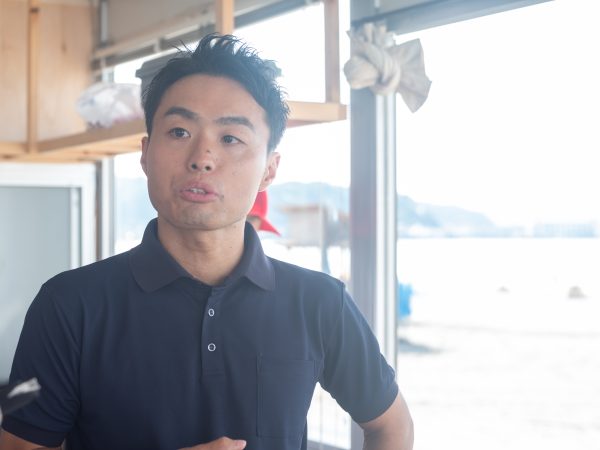
石川:計算精度よりもリアルタイム性を優先したことです。例えば、離岸流の発生エリアは長方形で表示していますが、離岸流の発生場所を正確に描こうとするなら複雑な図形になります。しかし、正確に描くとなると計算負荷が大きくなり、リアルタイム性が失われます。それでは注意喚起としての意味がありません。
Ishikawa: We prioritized real-time performance over computational accuracy. For example, the area where a rip current occurs is shown as a rectangle, but if you were to accurately depict the location where it forms, it would become a complex shape. However, accurately rendering this increases computational load and compromises real-time performance. As a result, it loses its meaning as a warning.
そもそも、正確に描く必要があるのでしょうか。科学では、正確性や高精度を追求することが良しとされるかもしれません。しかし社会への応用、特に自然環境のハザードに対しては、どの段階で危険と捉えるかは人によって変わります。その点においても、過度に精度を追求するのではなく、ある程度の余白をもたせることが適している場合があります。
Is it even necessary to depict the image accurately in the first place? In science, pursuing accuracy and high precision may be considered desirable. However, when it comes to societal applications, particularly regarding natural environmental hazards, the stage at which a risk is perceived as dangerous varies from person to person. In that regard as well, it may be appropriate to allow for a certain margin of flexibility rather than pursuing excessive precision.
同じことはカメラにも当てはまります。特別に高解像度なカメラではなく、通常の解像度でもAIが適切に学習できればいいのです。現場で使いやすい、ロバスト性と汎用性を兼ねていることが現場では大切になります。
The same applies to cameras. It doesn’t need to be a particularly high-resolution camera; as long as the AI can learn properly even with normal resolution, that’s sufficient. Robustness and versatility that make it easy to use on-site are crucial in the field.
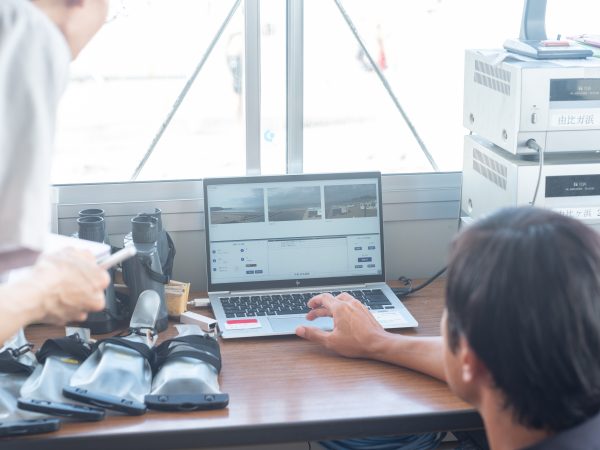
大野:石川先生には現場に何回も来ていただいていますし、オフシーズンでもライフガードの方々と協力してシステムの調整やアップデートに協力いただいていますね。
Ohno: Professor Ishikawa has visited the site numerous times, and even during the off-season, he collaborates with the lifeguards to assist with system adjustments and updates.
石川:実際の離岸流はどうだったか、ライフガードの判断をアノテーションとして学習データに活用しています。
Ishikawa: We are utilizing lifeguards’ judgments on actual rip currents as annotations in our training data.
菊地:ベテランのライフガードは「確かにこれは離岸流だった」と確認でき、新人に対しては「これが離岸流だ」と教育のツールにもなっています。ライフガードには高校生や大学生がいるのですが、システムに興味をもって今後の学業の進路にもいい影響を与えるかもしれませんね。
Kikuchi: Veteran lifeguards can confirm actual rip currents, and it also serves as an educational tool for newcomers, teaching them to recognize rip currents. Some of the lifeguards are high school and college students, and developing an interest in the system might positively influence their future academic paths.
石川:中央大学研究開発機構に移ってから感じたことは、社会実装においては科学センスよりも現場センスが重要だということです。ライフガードや海水浴場の利用者という、現場の人たちが使いやすいようにするにはどうすればいいかという視点が大事だと学んでいます。
Ishikawa: Since moving to the Chuo University Research and Development Initiative, I’ve come to realize that in social implementation, practical on-the-ground intuition is more important than scientific insight. I’m learning that it’s important to consider how to make things easy for the people on the ground like lifeguards and beachgoers to use.
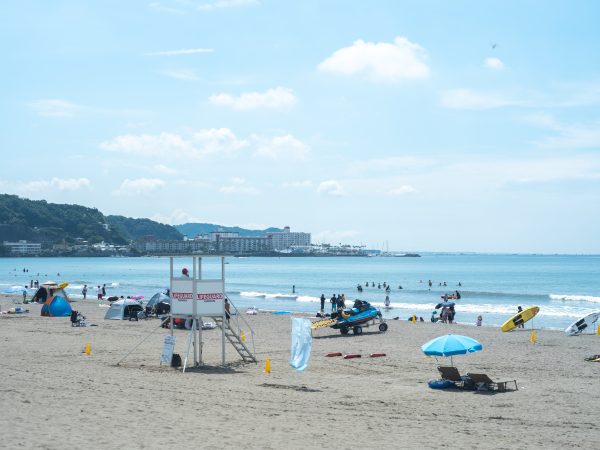
AIは補助ツール、海の安全の追求に終わりはない
AI is an auxiliary tool and the pursuit of marine safety never ends.
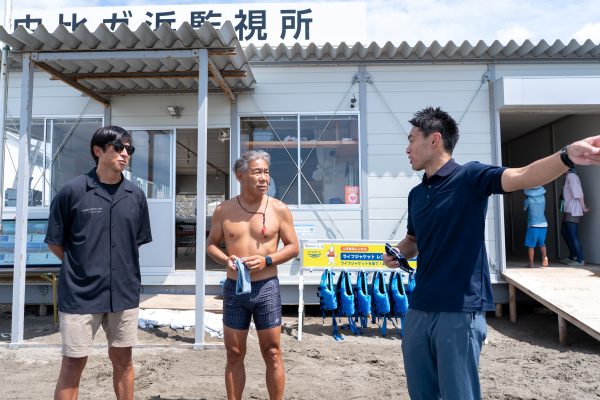
——海辺のみまもりシステムのようなAIを活用すれば海水浴場での事故を全て防ぐことができるのでしょうか。
——Could utilizing AI as in the AI-based Coastal Monitoring System prevent all accidents at beaches?
石川:AIはあくまでも「現場の支援」という位置付けです。AIだけで全ては解決できないし、そもそも海の安全を追求することに終わりはありません。
Ishikawa: The role of AI is solely “support for the field.” AI alone cannot solve everything, and ultimately, the pursuit of marine safety is an endless endeavor.
大野:極論を言えば、遊泳禁止にすれば事故は起きないはずです。ただ、それでは海を楽しむことができません。また、海水浴場や海の家は鎌倉市の大切な夏季の文化であり、そういった文化を続けることも大切と考えています。
Ohno: To put it in extreme terms, if swimming were banned, accidents wouldn’t happen. However, that way we wouldn’t be able to enjoy the sea. Additionally, we believe it is important to maintain the culture of beaches and beach houses, which are an important part of Kamakura City’s summer traditions.
鎌倉市としては、可能な限り多様な対策を講じて事故を防ぐというコンセプトをとっています。しかし、実際現場に立っていただくライフガードの方々に負担をお願いするにも限界があります。そこで海辺のみまもりシステムにより業務効率をあげることで、ライフガードの業務負担を減らしながら、同時に海水浴場の利用者に海の安全を提供できると考えています。
Kamakura City has adopted the concept of implementing as many diverse countermeasures as possible to prevent accidents. However, there are limits to how much we can ask of the lifeguards who are actually on duty. Therefore, we believe that by improving operational efficiency through the AI-based Coastal Monitoring System, we can reduce the workload on lifeguards while simultaneously ensuring ocean safety for beachgoers.
海の家にも、アプリのダウンロードを促すステッカーを貼ってもらうなど、快くご協力をいただいています。
We’ve also received kind cooperation from beach houses, such as displaying stickers encouraging app downloads.
——海水浴場の利用者にも知ってもらうことが大切なのですね。
——It’s important for beachgoers to be aware of this as well.
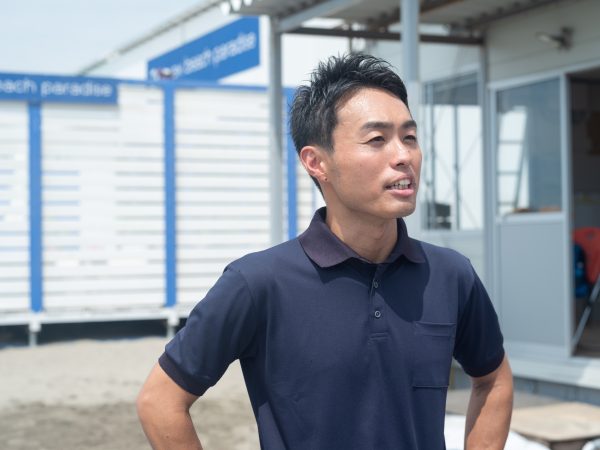
大野:そう思います。単にシステムを導入するのでなく、「離岸流のようなリスクが海にあるからシステムを導入している、だからそのシステムを利用してほしい」と、利用者に安全への意識付けをしてもらうことが最も重要だと思います。「海は危ないから来ないでほしい」のではなく、「危ないことが起きうるから一人一人が注意してほしい」と呼びかけています。
Ohno: I think so. Rather than simply installing the system, I believe the most important thing is to instill safety awareness in beachgoers by conveying idea, “we have installed this system because there are risks like rip currents in the ocean, so please use it.” We are not saying, “Don’t come because the sea is dangerous,” but rather calling on everyone to be careful because dangerous situations can occur.
石川:リスク管理では、危険があることすら知らない「unknown unknowns」から、危険があることを理解している「known knowns」に移行することが大切です。鎌倉市が取り組んでいる情報提供が、海での事故防止に直結すると思います。
Ishikawa: In risk management, it is crucial to transition from “unknown unknowns,” where we are unaware of the risks, to “known knowns,” where we understand that the risks exist. I believe the information provided by Kamakura City directly contributes to preventing accidents in the sea.
泳げない人も海の安全に貢献できる未来へ
Looking toward a future where even those who can’t swim can contribute to ocean safety
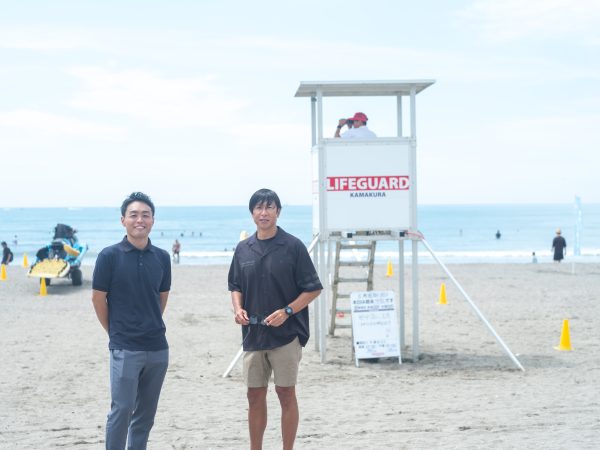
——今後、海辺のみまもりシステムをどのように発展させていきたいとお考えですか。
——How do you envision developing the AI-based Coastal Monitoring System going forward?
大野:事故防止のシステムは、あるほうが絶対にいいと考えています。海辺のみまもりシステムに関心のある自治体は多く、視察も多く受け入れています。他の海水浴場にも広まればと思っています。
Ohno: I firmly believe that it is definitely better to have an accident prevention system. Many municipalities are interested in the AI-based Coastal Monitoring System, and we frequently host site visits. I hope the system will spread to other beaches as well.
鎌倉市としては、システムが海水浴場の利用者に安全を促し、ライフガードの業務効率を最大化できるようにするためには、石川先生や鎌倉ライフガード、市が継続的に話し合いを重ねて調整を続けることが大切だと考えています。
Kamakura City believes that for the system to effectively promote safety among beachgoers and maximize the operational efficiency of lifeguards, it is essential for Professor Ishikawa, Kamakura lifeguards, and the city to continue ongoing discussions and adjustments.
石川:システムの継続的な改善のためには密なコミュニケーションが必要です。研究成果を論文にまとめるのだけでなく、いかに外に向けて発信できるかが社会実装では非常に重要になります。ライフガードや海水浴場の利用者などに実際に使っていただき、より実用的なシステムに進化させ、研究を社会に還元していきたいです。日本だけでなく世界の海岸に広がってほしいと思います。
Ishikawa: Close communication is essential for the continuous improvement of the system. In social implementation, it is crucial not only to compile research findings into papers but also to effectively communicate them to the wider community. We aim to have lifeguards and beachgoers actually use the system, evolve it into a more practical solution, and feed the results of our research back to society. I hope the system will spread not only along Japan’s coastlines but also around the world.
海の安全という点では、安全管理は鎌倉市のような自治体、ライフガード、研究機関、公的救助機関、マリンスポーツ愛好家、海の家、そして海水浴場の利用者など「みんなで支え合う」体制が理想だと考えています。システムだけでなくマネジメントをどうするかが次の課題になると思います。
Regarding marine safety, we believe the ideal system is one where “everyone supports each other,” including municipalities such as Kamakura City, lifeguards, research institutions, public rescue organizations, marine sports enthusiasts, beach houses, and beachgoers. I think the next challenge will be how to deal with management as well as systems.
ドローンによる監視体制も進められているなかで、テクノロジーがライフガード業務に組み込まれていけば、現在の現場で求められている「屈強で泳げる」人以外でもWater Safety(海辺の安全管理)に関わることができます。AIをはじめとするテクノロジーは、ライフガードの人員を減らすのではなく、身体能力に関係なく多様な人々が海の安全に関わることができる社会を実現するものであると考えています。
As advances in the AI-based Coastal Monitoring System coupled with drone surveillance continue to evolve, technology can be integrated into lifeguard operations so that more than just the “strong swimmers” required by today’s field can be involved in water safety. We believe that technology, including AI, will not lead to a reduction in the number of lifeguards, but rather enable a society where diverse individuals, regardless of physical ability, can contribute to marine safety.
終わりに
Finally
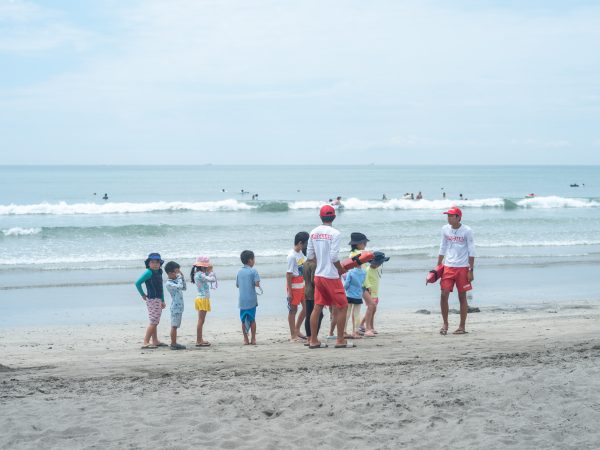
取材中、小学生向けに海の安全教室が開催されていました。彼らが大人になるころには海辺のみまもりシステムがさらにアップデートされ、海の安全管理体制が大きく変わるかもしれません。それでも、AIなどのテクノロジーはライフガードをサポートする存在であり、ライフガードが安全の主体であること、そのためには研究者・自治体・ライフガードなど関係者による継続的な議論が欠かせないことを感じ取ることができました。
During the interview, a marine safety class was being held for elementary school students. By the time they become adults, the AI-based Coastal Monitoring System will have been further updated, and sea safety management systems may have changed significantly. Nevertheless, I came to understand that technologies such as AI serve as tools to support lifeguards, while lifeguards themselves remain the primary actors in ensuring safety, and this underscores the essential need for ongoing discussions among stakeholders including researchers, local governments and lifeguards.
中央大学研究開発機構では、社会問題の解決を目指した研究開発を多く行っています。今後も産学官連携による学際的な研究開発を推進します。
Chuo University Research and Development Initiative conducts numerous research and development projects aimed at solving social issues. We will continue to promote interdisciplinary research and development through industry-academia-government collaboration.
Photographer:Kato Hajime Writer & Editor:島田祥輔